Table Of Content

The precision and technique required to throw an axe accurately has made it a challenging and exciting sport for people of all ages and skill levels. Whether you’re a survivalist or a sports enthusiast, the timeless design of the Viking axe continues to captivate and inspire us today. The anatomy of a Viking axe is not just about its physical appearance but also about the practicality of its design. The head of the axe is the most important part, consisting of a blade, a beard, and a socket. The blade is usually made of iron or steel and can vary in size and shape depending on its intended use.
Double Bit Axe
There are many types of adze, but they can be categorized into two different groups, hand adzes and foot adzes. A hand adze should be swung with just one hand and will have a short handle to accommodate this. The name ‘foot adze’ refers to the point at which the head usually lands, around foot or shin height. When it comes to the durability and performance of an axe, the material and design of the handle play a significant role.
How Thick Should An Axe Handle Be?
Begin by heating slowly, to allow the heat to evenly disperse throughout the steel, flipping and turning the steel every few minutes. Keep in mind that throughout the process, you’ll need to keep the temperature consistent and reheat when necessary. Now that you’ve made your own forge, you can get started making the most important part of an axe. When he's not working on axes, he's probably camping, hunting, or honing his survivalist skills. Once you’re worked out which axe is right for you, you might also want to learn how to keep an axe sharp or how to store an axe. The Vikings used these iron axes for hooking shields away from their enemies and tripping unsuspecting victims.
Custom Axe. Personalized axe Custom groomsman gift. Outdoor gift guy gift customized axe personalized gift gift for him
Packable Hatchet Transforms Into an Axe: AGAWA GEAR ADK26 First Look - GearJunkie
Packable Hatchet Transforms Into an Axe: AGAWA GEAR ADK26 First Look.
Posted: Tue, 29 Aug 2023 07:00:00 GMT [source]
Opposite the blade, it usually has a flat hammerhead construction for driving in nails. Now that we've covered the basics, here is an ultimate guide to 25 different axe heads and what they're used for. Whether you’re making a stone axe to display for your class or making a working one to get in touch with survivalist techniques, it can be a handy and durable tool.

So the next time you see a viking axe, take a moment to appreciate all the different ways it could be used. It’s a symbol of a culture that valued practicality and innovation, and that’s something we can’t ignore. At this point, your axe head may not look very appealing, but that’s what the finishing process is for. Some people may leave their axe in this state and put a good edge on it. Others will sand it down so that it’s clean and smooth and allow it to grow a patina over time. Once the axe head has been welded and the shape has been roughed out you can take it back to the proper temperature and start thinning and smoothing out the edge of the blade.
The handle was often as tall or taller than the person wielding the weapon. The blade has been made from various materials over the years ranging from jade to stone and then later, metals like brass. One type of Bronze Age axe is the Socketed Axe, or Celt, a wedge-shaped axe head with no shaft hole. Since the axe is made hollow and the handle is inserted into the head, a perfectly functional working axe can be made with minimal materials.
The distinctive shape of the blade allows for cutting and hooking actions, making it highly effective in close-quarters battles. Nowadays, Viking axes find their place in historical reenactments and serve as charming decorative pieces. The legacy of the Viking axe lives on, showcasing its enduring impact on history and culture. Hudson Bay axehead pattern axes were popular with fur traders, woodsmen, and canoe people.
Can Shepherd’s Axe Be Used For Splitting Woods?
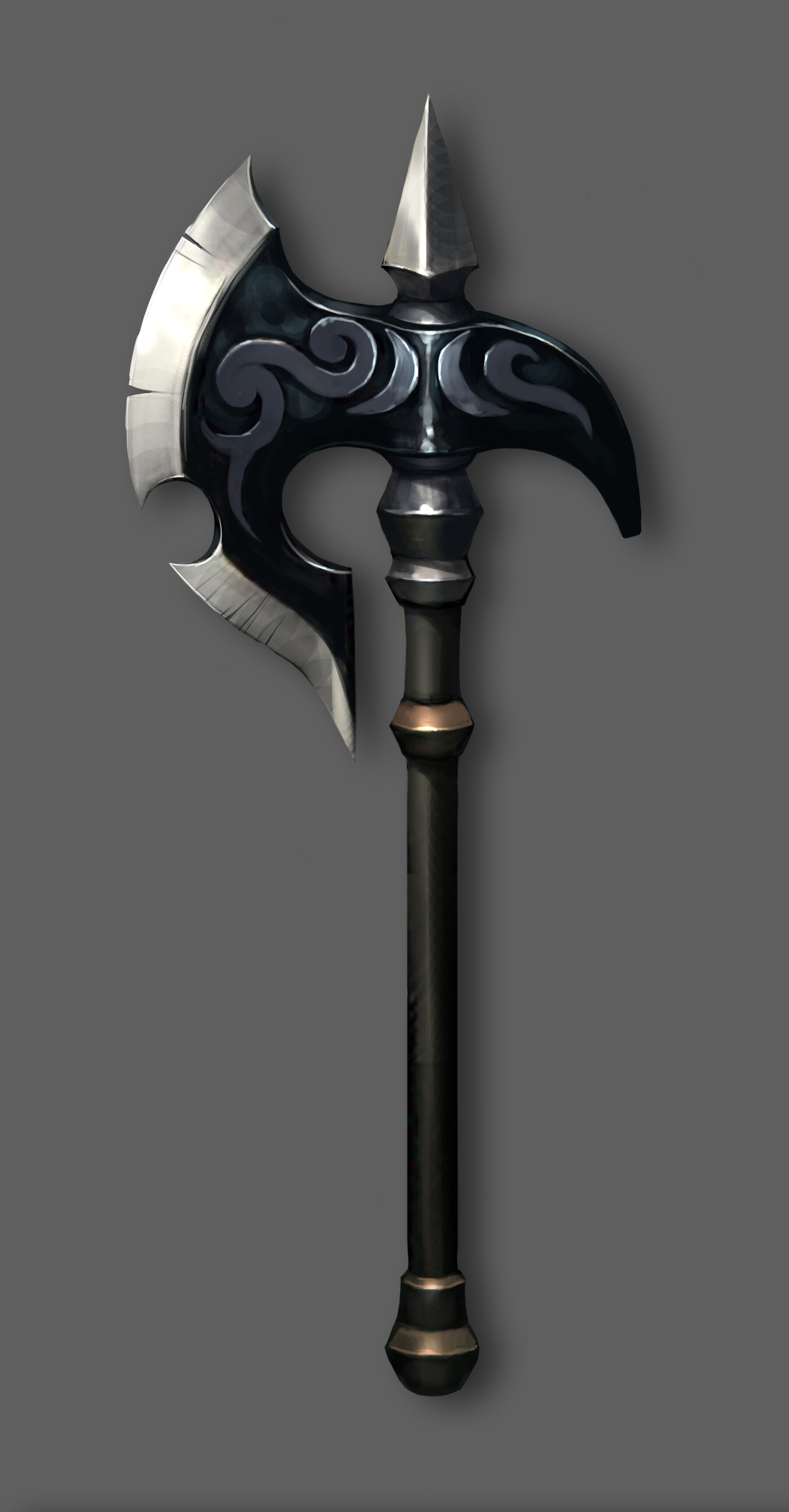
You don’t have to worry about that at this point since there will be a final shaping step. The ideal size of an axe handle is a much-debated topic and one that will largely be determined by its intended use. For a felling axe, a longer handle will give a greater swing and more leverage, but a shorter handle will result in better precision. The standard length of a full-sized felling axe is 36 inches, but this should be the maximum length most users should consider. A person who is six foot tall would be best with a handle measuring around 32 inches, as this will offer a good balance between accuracy and force.
Non-shaft-hole axes
It has a curved head, which is ideal for chopping large trees and dense wood types. An axe is an ancient tool, with a rich history of uses including felling trees, hunting animals, and weaponry. Today, the axe is most commonly used in the yard or outdoor pursuits, such as camping, but the type of axe you need will depend on the purpose you intend for it. Double bit axes are tools that feature a double-sided blade, opening up the possibilities of functions.
In Central Europe, throwing axes made entirely of iron were used in the late Middle Ages. The butt also had a sharp spike and the cutting edge was around 16 centimetres long. In addition to these, there have been many other models of throwing axe. Viking axes were originally designed for use in battle, but as the Vikings began to settle and farm, the axe took on a new purpose as a tool for clearing land and chopping wood. This new use gave rise to the bearded axe, which features a longer, curved blade that allows for a greater range of motion when chopping. Learning how to make an axe takes plenty of skill, patience, and attention to detail.
They are often large enough to fell and limb trees, but usually not as large as true felling axes. This is because portability is important for a woodsman walking for several miles or days, with other survival essentials, supplies, and tools in his pack. Forest axes are often similarly sized to boy’s axes – that is, with a handle that is 24” to 28 inches. These are mounted on both smaller and larger handles, and have two main benefits. The first is that you don’t have to sharpen the edges as often (since there are two). If you’re felling many trees and one edge starts getting dull, you can simply flip the axe around and start using the second edge.
In my experience multi-tools like this end up doing a bunch of different things poorly. It’s not heavy enough to split wood, and it would be awkward to use as a knife (that’s a knife edge on the bottom). Still, for some people the idea of tossing a little gadget like this in their pack is appealing. I’ve never needed hex wrenches at the campsite, but hey – to each their own.




No comments:
Post a Comment